Art as a response to violence: these Iranian artists turn their experiences into visual art
The violence in Iran does not let go of us. That is why we spoke with artists Sara Aref, Saye Sohrabi, Farnaz Ghafouri, and Luckybamero. Four makers with Iranian roots, each of whom translates their story into visual work that resonates. From unfiltered images of the lived experiences of Iranian women to a spotlight on violence against queer people in Iran: we asked Sara, Saye, Farnaz, and Luckybamero to tell us more about the situation in Iran through their work.
Sara Aref
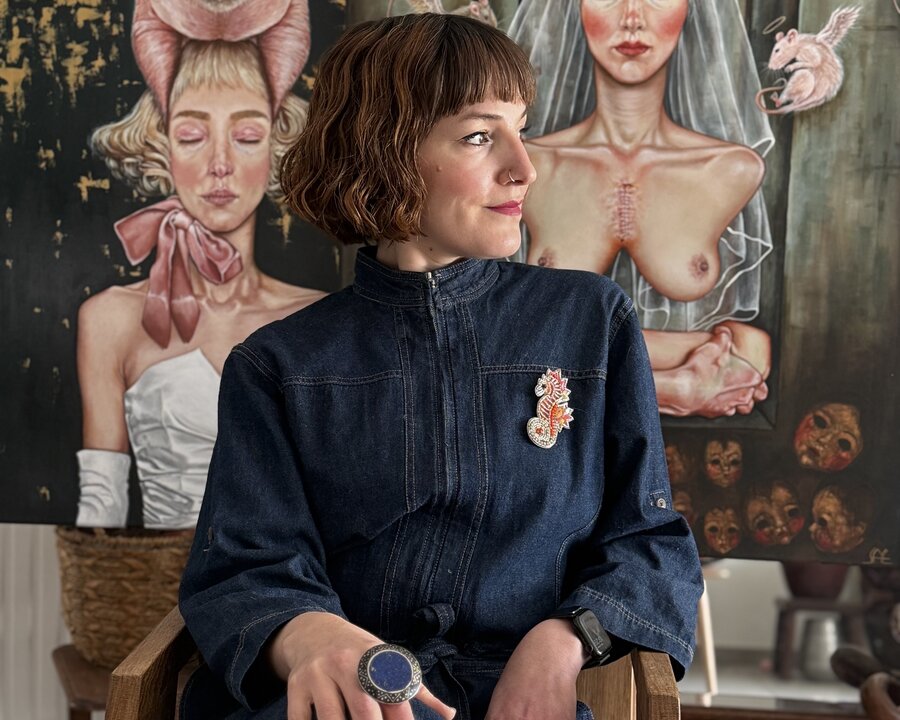
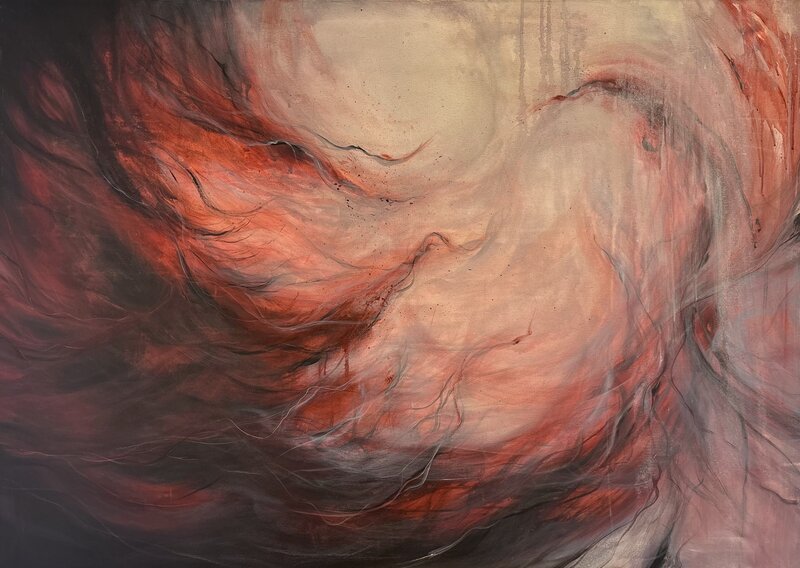
Sara Aref is an Iranian artist who lives and works in Brussels. She shares her painting Her Blood-Stained Hair with us. 'This painting is dedicated to Mahsa Jina Amini. It is a reflection of grief, anger, and the silence imposed on us. Her Blood-Stained Hair was the loudest voice I could paint, the only protest I could express on canvas. She lives and will always live on in our hearts. Immortal, unforgettable, and free.'
Saye Sohrabi
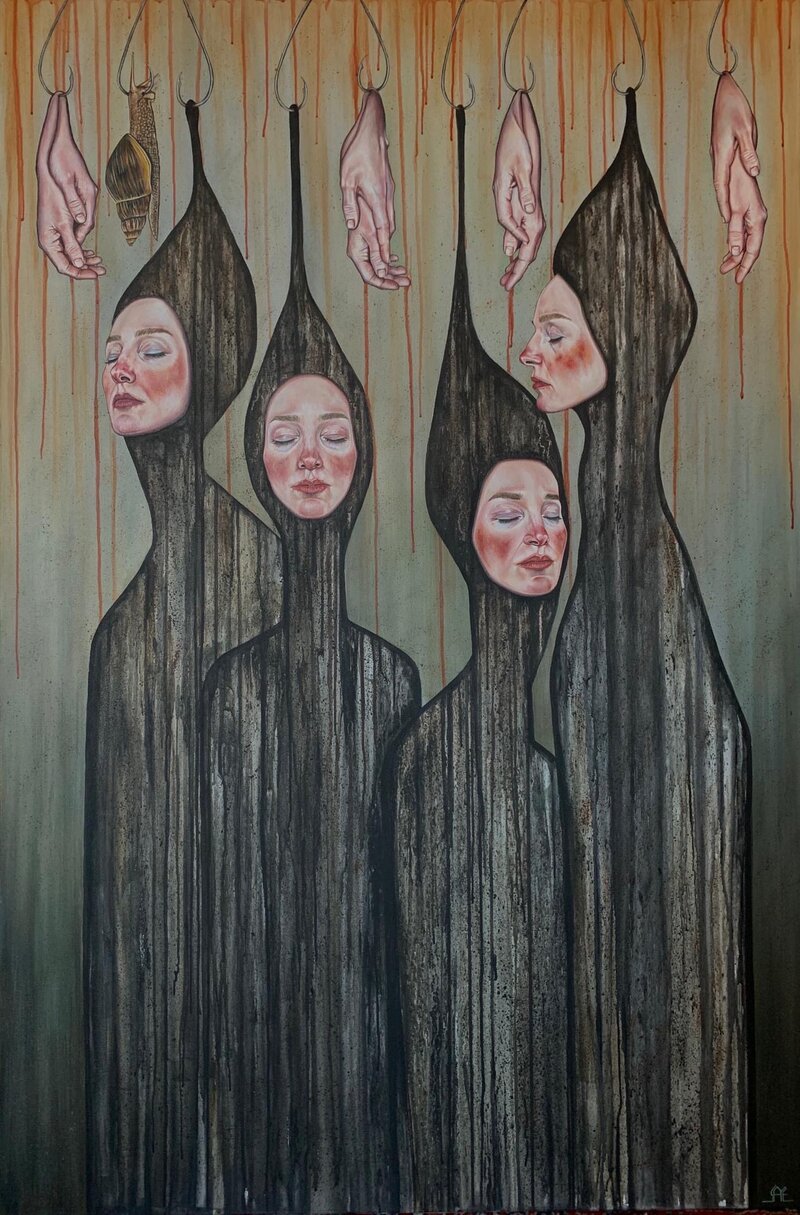
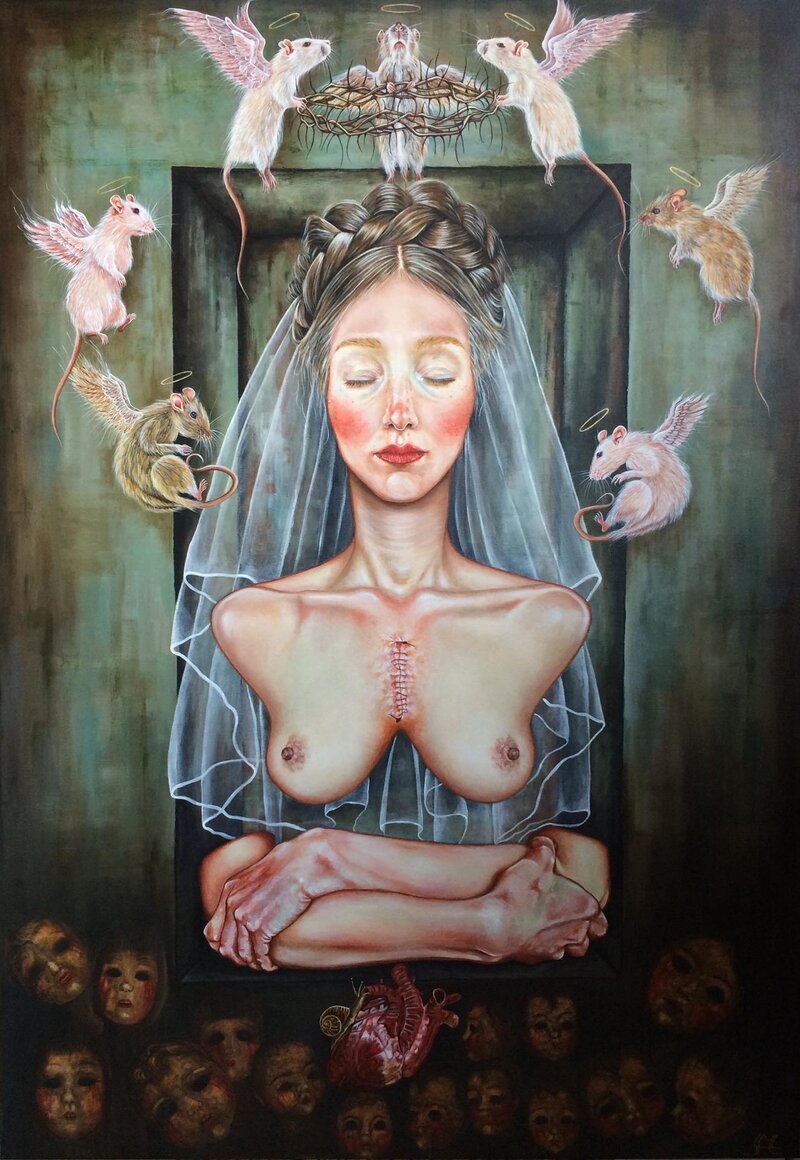
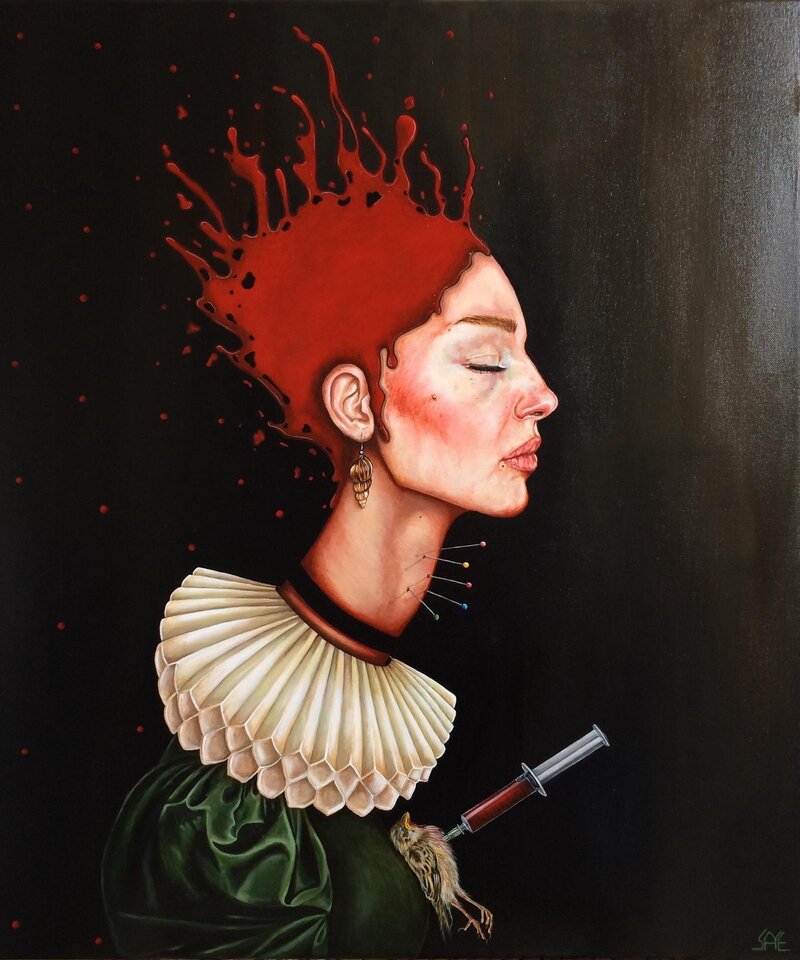
Artist Saye Sohrabi already appeared in an interview in the April 2025 issue of Kunstletters. The current situation in Iran brings mixed feelings to the surface for her: 'For years, when Belgian audiences saw my work, they sometimes found it difficult to understand the presence of violence in it. As if I were exaggerating. But those images arose from my own lived experience, and that of other women in Iran. Today, I don’t know whether to feel happy or sad that the whole world is finally seeing and understanding the violence an apartheid regime inflicts on its own people. Perhaps that makes my work more accessible now to people who have never experienced that kind of violence up close.'
Luckybamero
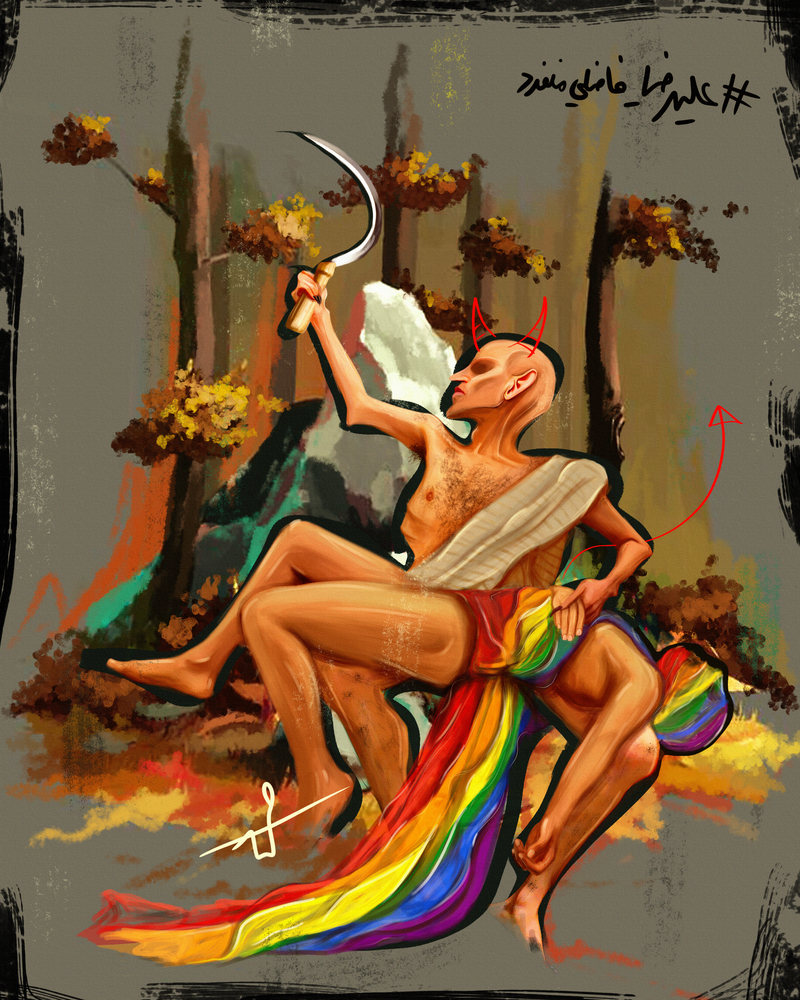
Luckybamero creates strongly narrative digital work that often departs from personal experiences as a queer person in Iran. The digital painting The Murder of Alireza Fazeli Monfared is a response to the violence, but also to the silence surrounding the murder of Alireza Fazeli Monfared, a young gay man from Iran: 'Alireza Fazeli Monfared was brutally murdered in May 2021 by his own family. His death was an honor killing and forms a painful example of how LGBTQ+ people in Iran are not only persecuted by the regime and society, but are also violently oppressed by their own families. This work is a tribute, but also an act of resistance. It addresses the violence inflicted on queer people in Iran. Not only by the state, but also by families shaped by fear, tradition, and systematic oppression. Painting is a way to remember, to bear witness, and to refuse to forget.'
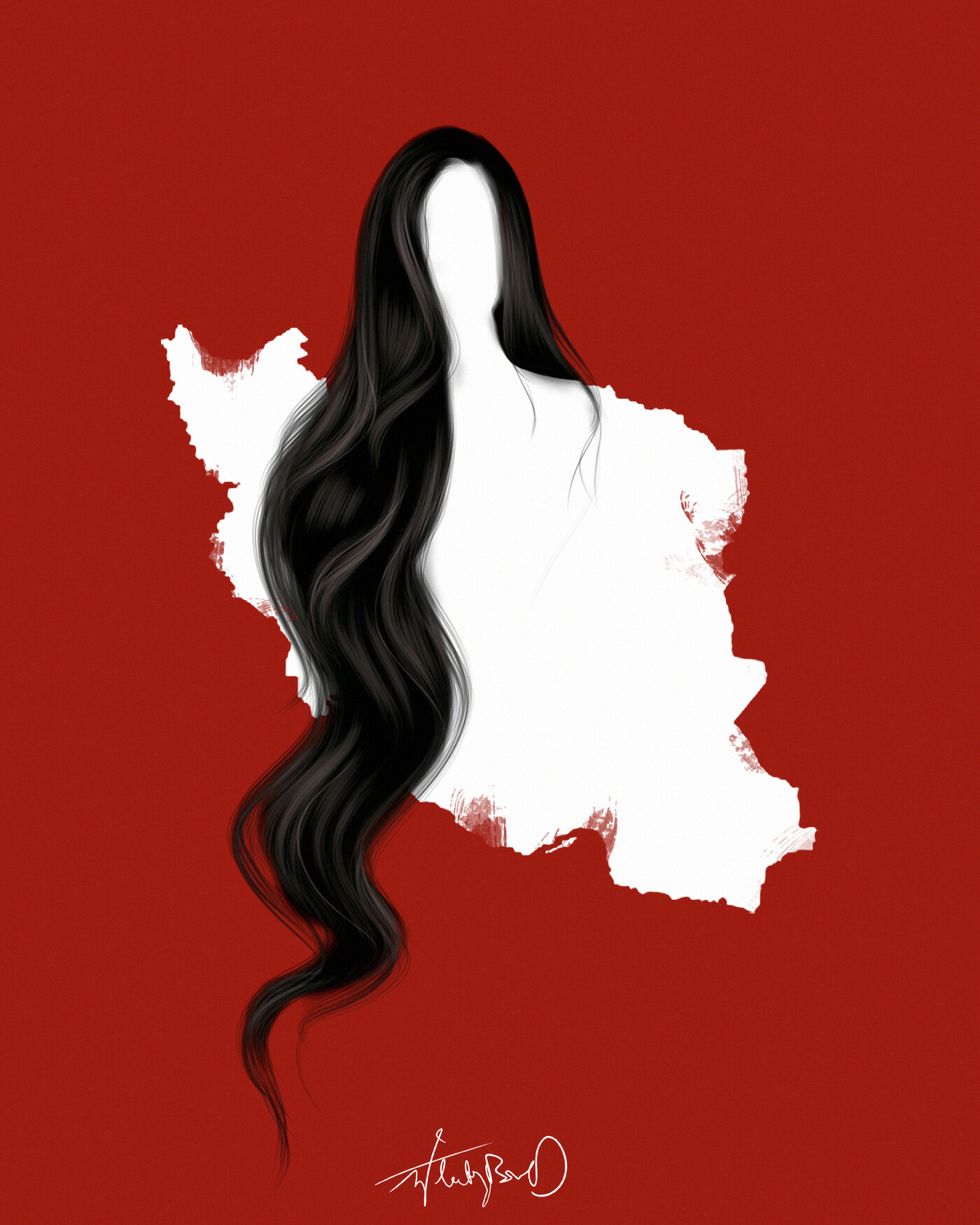
In addition, Luckybamero shares the work Woman, Life, Freedom. An image he created that is often used as a visual symbol of the Woman, Life, Freedom revolution. It stands for bodily autonomy, freedom, and collective resistance against oppression.
Farnaz Ghafouri
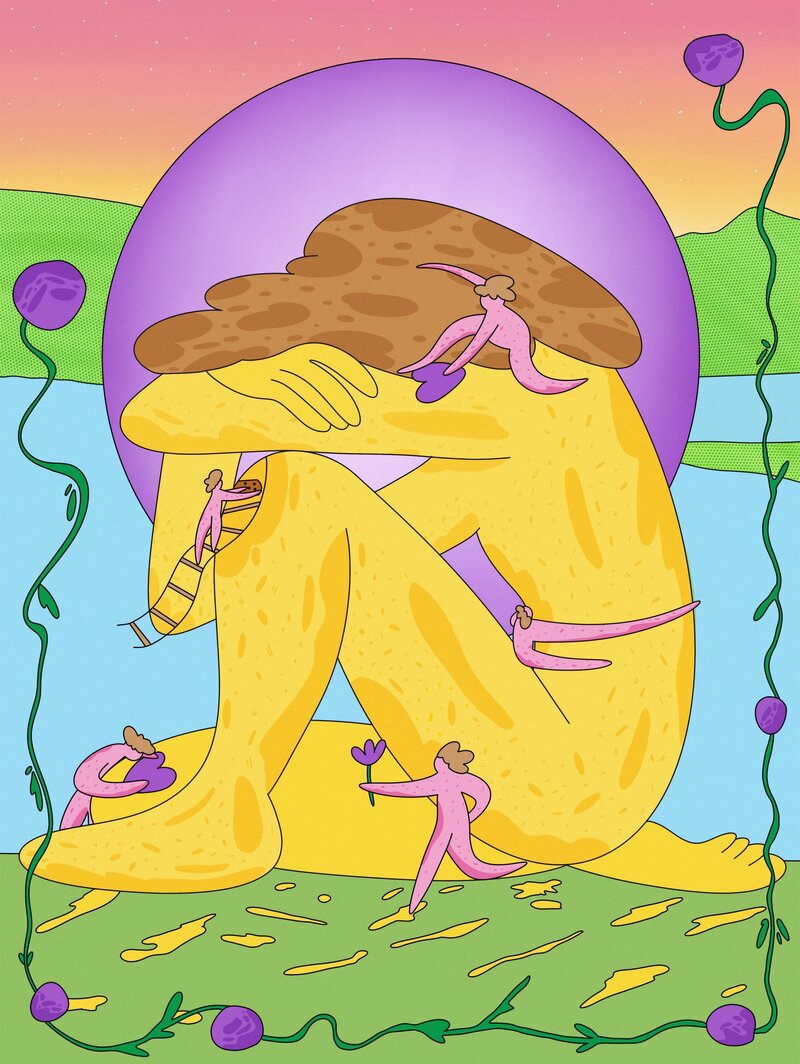
Farnaz Ghafouri is an Iranian illustrator and architect currently living in Antwerp. The violence in Iran leads her back to her work What Heals Isn’t Loud: 'With this work, I explore the importance of quiet healing and of translating suppressed emotions and trauma into a visual language. In the current context of repression and violence in Iran, people endure not only through visible acts of protest, but also by resisting silently in their inner worlds. They're facing fear, carrying on, and trying to heal internally every day. This work represents a search for healing that may appear quiet from the outside, yet is deeply profound within.'